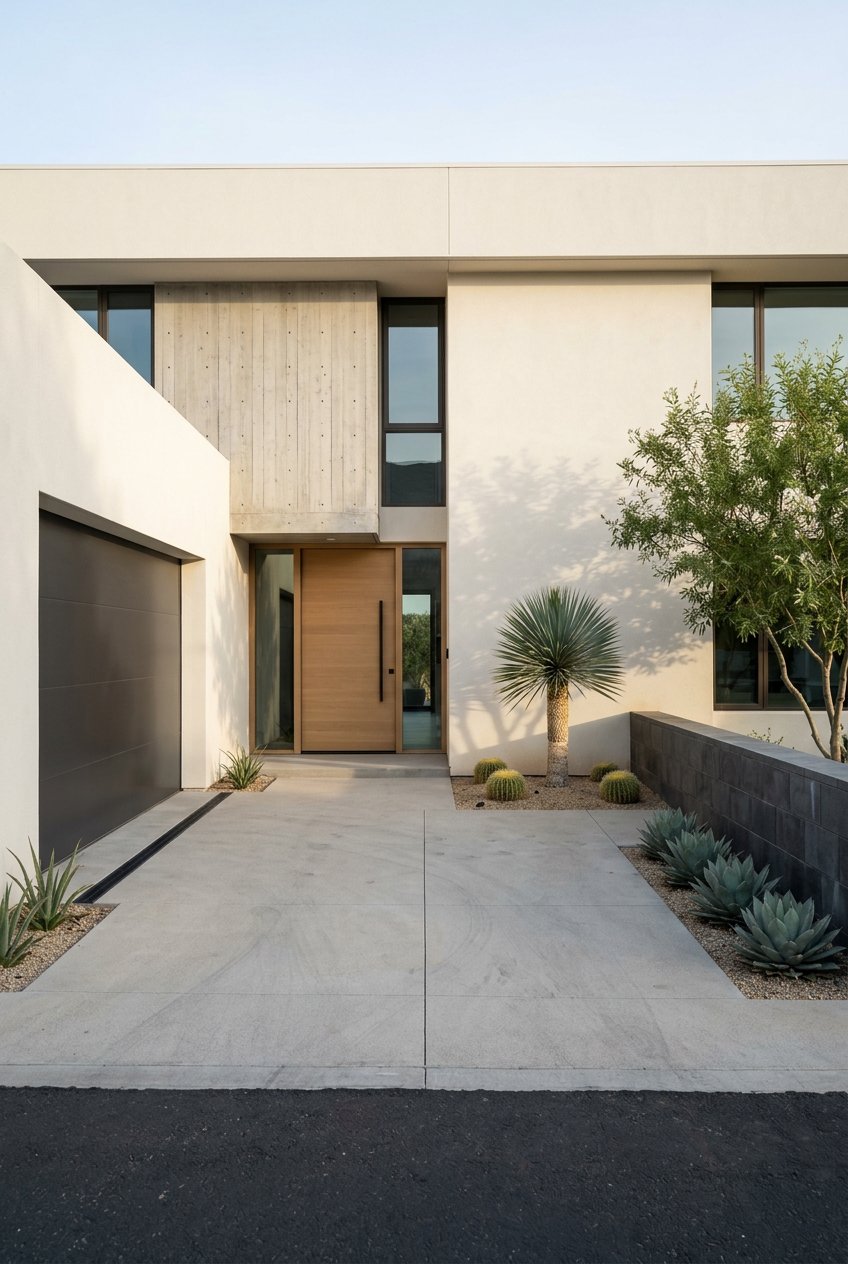
Standing on Ascaya’s ridgeline, you quickly see the appeal: wide-open Strip and valley views, dramatic desert architecture, and the quiet of a guard-gated enclave. If you are deciding whether to buy a completed estate or purchase a homesite and build, the choice shapes your timeline, budget, and future resale. This guide lays out the real differences so you can move forward with clarity. You will learn costs to expect, how long each path takes, key approval steps, and what protects value over time. Let’s dive in.
Ascaya at a glance
Why Ascaya stands out
Ascaya is an ultra-luxury, guard-gated community etched into the McCullough Mountain Range above Henderson. The neighborhood emphasizes desert-contemporary design and view-first lot planning, with elevations that reach roughly 1,900 to 3,200 feet, giving many homes panoramic Strip and valley vistas. You will also find a curated amenity set and community design standards that prioritize architecture and sightlines. Learn more about the setting on Ascaya’s overview page for community, design, and location context.
Market snapshot and lot release
Ascaya remains in active build-out, which means limited inventory at the top end. In mid-2025, the community released its final high-elevation homesites, the Cloud Rock collection, with reported lot prices around 2 million to 18 million dollars depending on size and view. Local coverage also noted dozens of finished homes and multiple properties under construction or in review, a reminder that supply is select at any given time. See the Cloud Rock release coverage and pricing context.
Public listing records show reported monthly HOA assessments often in the hundreds to low thousands of dollars per month for Ascaya parcels, with examples around 650 to 1,200 plus. Actual dues and club terms vary, so verify current numbers with the HOA or management before you buy.
Buying a completed Ascaya estate
Timeline and process
If speed matters, a finished home is the fastest route to keys. After you secure an accepted offer and mortgage approval, a conventional purchase in the U.S. often closes in about 30 to 45 days, subject to local conditions and lender timelines. That means you skip construction, extended carrying costs, and the administrative tasks that come with a ground-up build. For a timing overview, see this summary of typical purchase closing timelines.
Financing differences
Completed homes are financed with standard products, including jumbo loans for luxury price points. By contrast, building from a lot usually requires a construction loan with staged draws, interest-only payments during the build, and more documentation. That difference impacts cash flow and lender selection, which we cover below in the building section.
Pros of buying existing
- You can inspect the exact home, landscaping, and systems before you commit.
- You gain faster occupancy and predictable closing costs.
- Appraisals are simpler because there are completed comparable sales.
Cons of buying existing
- You accept the design choices already made.
- Resale homes can have deferred maintenance, so plan thorough inspections.
- Inventory is limited in Ascaya, so a perfect match may be hard to find at any moment.
Building a custom home in Ascaya
Timeline and major phases
Custom luxury delivery takes longer than buying a finished home. A full custom home commonly runs 12 to 24 months from breaking ground, and 18 to 30 months total when you include complete design, HOA and municipal reviews, and permitting. Expect phases such as due diligence, design, ARC/HOA review, City of Henderson plan check and permits, sitework and foundation, shell and MEP, interior finishes, and final inspections. For a helpful overview of the new construction process, review this step-by-step new construction guide.
Hillside sitework and cost drivers
Ascaya sits on steep, rocky terrain formed by extensive earthwork to create view pads. Even with prepared pads, many custom lots will need additional grading, rock excavation, retaining walls, and specialized foundations. News coverage of the community’s development highlights the heavy earthmoving that shaped the site, which helps explain why private builds here often require extra time and budget for sitework. For background, see the community’s lot release reporting that notes the mountain buildout.
On hillside projects in comparable luxury markets, documented case studies show site prep can consume a notable share of the construction budget, sometimes 15 to 30 percent or more. Rock excavation, export, deep foundations, shoring, and haul-route logistics are common drivers. A technical explainer on grading limitations and cost factors offers useful context for why site line items can be significant in steep terrain. Review these hillside grading cost considerations.
Permits, ARC review, and guidelines
Expect two approval tracks: community design review and city permits. Ascaya promotes strong design guidelines that encourage desert-modern forms and protect view corridors, with an Architectural Review Committee process that owners navigate before building. Ask the sales office or HOA for the current submission checklist, fees, and expected turnaround. Learn more about the community’s design influence and guidelines.
At the city level, substantial cut or fill requires a grading permit and specific submittals, including drainage and geotechnical documentation. Plan for both Henderson’s plan check and grading review time in your schedule. The City of Henderson clarifies permit thresholds and forms on its development services reference page.
Construction financing and carrying costs
Construction loans operate on draws tied to milestones, with interest-only payments on the drawn balance during construction. Lenders often require plans, budgets, builder vetting, and inspections before each draw, and many owners use a construction-to-permanent loan to avoid a second closing. Qualification rules and admin steps differ from a standard mortgage, so start this process early. For a clear overview, see how construction loans and C2P structures work.
While you build, prepare for carrying costs such as:
- Ongoing HOA dues and club fees during ownership and construction. Confirm actual amounts with the HOA or management.
- Property taxes on the lot before and during construction.
- Construction loan interest, builder deposits, and required insurances.
- Owner policies like builder’s risk or course of construction coverage.
Experienced luxury builders also recommend a contingency of 10 to 15 percent on top of hard and soft costs to absorb unknowns, especially with hillside conditions. See this custom home contingency guidance.
Resale and long-term value
Design choices that protect value
In luxury hillside enclaves, homes that emphasize timeless, high-quality finishes, flexible spaces, and attention to systems tend to attract the broadest buyer pool. Highly personalized features can reduce demand and lengthen time on market. National remodeling research consistently points to restrained design and quality execution as the best bet for resale. For data-backed context, review NAR’s insights on projects and value at resale.
Lot orientation matters most
In Ascaya, the combination of view corridor, usable outdoor living, and privacy is a major long-term value driver. Work with your architect to site primary rooms and outdoor areas to the best view and avoid blocking it with service zones. The community’s planning ethos centers on view capture, which aligns with future marketability. See how Ascaya describes its desert design influence and siting principles.
Community controls and amenities
Design guidelines, curated amenities, and protected sightlines can support value preservation, while ongoing HOA funding keeps those standards in place. You pay for that stewardship through assessments, but many buyers view it as part of the long-term investment. Explore the community’s positioning and amenity approach on the Ascaya overview page.
Quick decision guide
- Choose a completed estate if you value speed to occupancy, lower administrative complexity, and seeing exactly what you are buying.
- Choose a custom build if you need full control of siting and design and you are prepared for longer timelines, hillside sitework costs, construction lending, and carrying costs during the build.
- For either path, focus on view orientation, indoor-outdoor flow, and timeless finishes to safeguard future resale.
Your next steps in Ascaya
Use this short checklist to move from research to action:
Confirm lot utilities and readiness. Ask whether water, sewer, and electrical are at the lot, and request the latest plat and tie-in notes via the Ascaya sales and contact channel.
Order geotechnical and topographic surveys. Early soils and topo data reveal foundation types, retaining needs, rock export, and haul requirements. See context on hillside grading and feasibility drivers.
Verify ARC submission steps and timelines. Request the current checklist, fees, and review cadence from Ascaya’s team. Review the community’s design influence guidance.
Pre-qualify construction lenders. Ask about draw schedules, retainage, interest treatment, and construction-to-permanent options. Compare equity requirements and underwriting. Start with this overview of construction lending mechanics.
Vet hillside-experienced builders. Confirm licensing and disciplinary history through the Nevada State Contractors Board. Request a sample schedule, cash-flow plan, and subcontractor roster.
Budget conservatively. Allocate a 10 to 15 percent contingency, plus HOA dues, insurance, and an allowance for extended city or ARC review. See contingency best practices.
Plan for resale while you design. Favor neutral, high-quality finishes and strong indoor-outdoor flow geared to your lot’s best view. Review NAR’s resale-oriented project guidance.
Bottom line
Buy a completed Ascaya estate when speed, certainty, and a known finished product are your priorities. With a standard mortgage and a typical 30 to 45 day closing window, you can move in quickly and avoid construction complexity. See a primer on purchase timelines and trade-offs.
Build in Ascaya when you want full control of architecture and siting. Expect added hillside sitework, longer schedules that span design plus permitting, construction lending, and carrying costs during the build. Distinctive yet timeless design that captures Strip and valley views can reward the extra time and capital, especially as the community’s final homesites come to market. For recent context, review the Cloud Rock release and price points.
When you are ready to compare specific homes or lots, or to assemble the right design-build team, connect with a local advisor who works this segment daily. If you want tailored guidance, reach out to Ryan Zhu for a private consultation.
FAQs
How long does it take to build a custom home in Ascaya?
- A full custom timeline commonly runs 12 to 24 months from breaking ground and about 18 to 30 months including design, ARC review, and city permitting, based on industry norms for new construction.
Why are hillside Ascaya lots more complex to build on?
- Steep terrain often requires grading, rock excavation, retaining walls, and specialized foundations, and the City of Henderson may require grading permits with drainage and geotechnical documentation, which adds time and cost.
How does construction financing work for a luxury build?
- Lenders fund in draws tied to milestones, charge interest-only on drawn amounts during construction, and often offer construction-to-permanent loans to convert to a mortgage after completion.
Are there still homesites available in Ascaya?
- In mid-2025 Ascaya released its final high-elevation Cloud Rock homesites with prices reported around 2 million to 18 million dollars per lot, indicating select but limited inventory.
What HOA costs should I plan for while holding a lot?
- Public listing records for Ascaya show reported monthly HOA assessments generally in the hundreds to low thousands of dollars; confirm current dues, fees, and any club costs directly with the HOA or management.
What design choices support resale value in Ascaya?
- Prioritize timeless, high-quality finishes, strong indoor-outdoor flow, and view-oriented siting to appeal to the broadest luxury buyer pool and protect long-term marketability.